Home | Log out
Showing posts with label Genes. Show all posts

Thursday, March 11, 2010

Exposure to Common Plastic May Cause Fertility Defects

Thursday, March 11, 2010
Exposure to Common Plastic May Cause Fertility DefectsA new study from Yale School of Medicine claims to have discovered that exposure during pregnancy to Bisphenol A (BPA), a common constituent of plastics may crop up lasting abnormalities in the uterus of offspring, counting variation in their DNA.The findings were published in the March issue of Journal of the Federation of American Societies for Experimental Biology.

In addition, the study led by Hugh S Taylor, MD, professor in the Department of Obstetrics, Gynecology & Reproductive Sciences at Yale is revealed to be the first in its kind to exhibit that BPA exposure may lastingly impact the sensitivity to estrogen.

“The DNA in the uterus was modified by loss of methyl groups so that it responded abnormally in adulthood”, explained Taylor. “The gene expression was permanently epigenetically altered and the uterus became hyper-responsive to estrogens”.

As a part of the study, Taylor and his team used two groups of mice, one exposed to BPA as a fetus during pregnancy and another exposed to a placebo, analyzing gene expression and the amount of DNA modification in the uterus.

The output revealed that mice exposed to BPA as a fetus posed a significant response to estrogens as adults, long after the exposure to BPA.

Source

Life Begins... - Miscarriage stories of loss, hope & help
Pregnancy Stories by Age - Daily blog of hope & inspiration!
Stories of Pregnancy over 44 years old - sharing stories I find online, for inspiration!


Recent Keyword Searches: can i get pregnant after menopause, stories from women who get pregnant at 44 with high fsh, DHEA 75mg spontaneous pregnant, acupuncture pregnancy over 40, can you be in your 40s and have a baby

read more

Saturday, November 14, 2009

New groundbreaking technique creates embryo from 3 parents

Saturday, November 14, 2009
New genetic research appears to create healthy embryos that will grow into healthy children. Iris WaichlerBritish scientists at Newcastle University have just released information on a new technique they have created that will impact the world of infertility treatment. Their original research goal was to prevent children from getting inherited medical disorders.

HOW DOES IT WORK?

The technique as described by the British researchers was to "prevent diseases by altering human embryos, which are the product of two mothers and one father." Researchers had been working with a woman who had mitochondrial disease which she passed to her daughter. The researchers determined that they could, "prevent the passing of mitochondrial disease in a child by extracting nuclear DNA from a mother with mitochondrial disease and a father, then injecting that DNA into a donor egg from a woman without mitochondrial disease."

Read more...

Life Begins... - Miscarriage stories of loss, hope & help
Pregnancy Stories by Age - Daily blog of hope & inspiration!
Stories of Pregnancy over 44 years old - sharing stories I find online, for inspiration!


Recent Keyword Searches: can you get pregnant at age 52, how to get pregnant after 40, when is it biologically too late for a woman to conceive?, how many women get pregnant over fifty in the us,how long does it take to get pregnant in your 40s

read more

Friday, July 24, 2009

Mutation causing one type of male infertility found

Friday, July 24, 2009
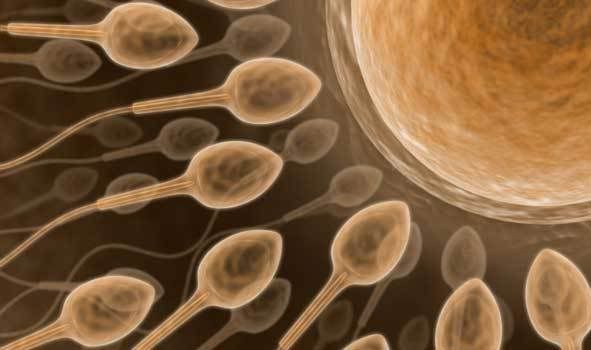
Mutation causing one type of male infertility foundResearchers have found a genetic mutation that lies behind one type of male infertility and may have been a cause of unsuccessful In-Vitro Fertilization (IVF) treatments in some couples.

The mutation lies in one specific protein present in sperm called PLC zeta. Recent research, in which the Oxford team also played a significant role, has shown that sperm transfers PLC zeta to the egg on fertilisation. The protein initiates a process called 'egg activation' which sets off all the biological processes necessary for development of the embryo.


Life Begins... - Miscarriage stories of loss, hope & help
Pregnancy Stories by Age - Daily blog of hope & inspiration!
Stories of Pregnancy over 44 years old - sharing stories I find online, for inspiration!


read more

Sunday, July 5, 2009

Novel genetic test improves pregnancy rates in older women

Sunday, July 5, 2009
Scientists from University of Oxford, UK claim to have developed a new less invasive genetic test that has found to greatly improve pregnancy rates in older women with failed attempts.

The new test, developed by Dr. Elpida Fragouli, examining chromosomes in human eggs a few hours after fertilisation can identify those that are capable of forming a healthy baby.

She said that her team's work had already enabled seven ongoing pregnancies in a group of older women with a history of multiple failed IVF attempts.


Life Begins... - Miscarriage stories of loss, hope & help
Pregnancy Stories by Age - Daily blog of hope & inspiration!
Stories of Pregnancy over 44 years old - sharing stories I find online, for inspiration!


read more

Saturday, June 13, 2009

Paxil Linked to Damaged Sperm, Could Impair Male Fertility

Saturday, June 13, 2009
Picture by damitron
Paxil Linked to Damaged Sperm, Could Impair Male FertilityIt is widely known that some anti-depressants can affect sexual functioning in men and women. A new study has found that men taking paroxetine—brand names Seroxat and Paxil — can experience impaired fertility and sperm damage, says the Chicago Tribune.

The New York research revealed that nearly half of the [men] taking Seroxat and Paxil tested with increased levels ofsperm fragmentation,” said the Chicago Tribune, which added that the study appears online today in the journal Fertility & Sterility.


“It’s fairly well known that SSRI anti-depressants negatively impact erectile function and ejaculation. This study goes one step further, demonstrating that they can cause a major increase in genetic damage to sperm,” said Dr. Peter Schlegel, the study’s senior author and professor of reproductive medicine at Weill Cornell Medical College in New York, quoted the Chicago Tribune.

Read more:
http://www.newsinferno.com/archives/6873


Life Begins... - Miscarriage stories of loss, hope & help
Pregnancy Stories by Age - Daily blog of hope & inspiration!
Stories of Pregnancy over 44 years old - sharing stories I find online, for inspiration!


read more

Saturday, May 30, 2009

Genes that switch-on the reproductive system

Saturday, May 30, 2009
Picture by JMS1994
Genes that switch-on the reproductive systemThe factors that control the beginning of reproductive life in humans have remained a fundamental mystery of biology. While the age of menarche in girls is influenced by environmental factors such as nutrition and athletic training, it is also partly controlled by genes according to a study by University of Western Australia researchers published in Nature Genetics.

The research, co-authored by UWA Molecular Geneticist Associate Professor Scott Wilson, analysed data from eight independent studies and identified for the first time, genes that are involved in determining the onset of menstruation in females.

The study of 17,510 women across eight different international populations included women of European descent. Their reported age of menarche ranged from 9 to 17 years.

Women were grouped according to the age they began menstruating. Using high tech 'gene chips', researchers were able to analyse DNA samples of the groups to look for similar gene codings and highlight the exact genes most likely accountable.

"The study contributes to an improved understanding of the processes involved in the onset of menstruation. In addition, knowledge about the mechanisms controlling this aspect of reproductive biology may also help inform us about disease of the reproductive system," A/Prof Wilson said.

Previous epidemiological studies have shown that early menstruation is linked to higher body fat and shorter stature. The effect on height is possibly due to earlier fusion of the epiphyses. In this latest research, A/Prof Wilson and colleagues, also found that of the 10 known genetic variants associated with Body Mass Index, five were also associated with an influence on the age of menarche.

"Another potential contribution of the research is improved understanding of the processes involved in adolescent growth and weight regulation," A/Prof Wilson said.

Commenting on the research, Professor Bronwyn Stuckey, Medical Director of the Keogh Institute in Perth, said, "The study identifies genes previously unknown to be associated with the age of menarche. Now physicians and scientists can better understand how processes like menstruation are initiated and can begin to examine the genetic versus the environmental factors involved. This research also opens the possibility of finding genetic influences on other aspects of the regulation of female reproductive cycles which affect fertility."

(Source: University of Western Australia: Nature Genetics: May 2009)
http://www.virtualmedicalcentre.com/news.asp?artid=13683&title=Genes-that-%27switch-on%27-the-reproductive-system&odr=&page=

Life Begins...
Miscarriage stories of loss, hope & help
http://born2luv.blogspot.com/

Stories of Pregnancy & Birth over 44y
- Daily blog of hope & inspiration!
http://pregnancyover44y.blogspot.com/

5,100 Stories of Pregnancy & Birth over 44y
Daily blog of hope & inspiration!
http://pregnancyover44y.blogspot.com/


Recent Keyword Searches: conception age 44, how old can a woman get pregnant, boosting fertilty after 40, medical options women over 40 pregnancy, what are the chances that a woman can get pregnant at 43

read more

Thursday, October 2, 2008

Love stinks

Thursday, October 2, 2008
Picture by www.edmontonsun.com
Use of birth control pill could be leading women by the noseUse of birth control pill could be leading women by the nose

If you've ever wondered "What the hell was I thinking?" after breaking up with a bloke, you may want to blame the birth control pill.

Seems that teeny tiny contraceptive may be altering your mate selection by tinkering with the type of male scent that attracts you, a combined study by the universities of Liverpool and Newcastle has found.

What's the big deal, you ask?

Well, when untampered with, a woman's natural mate selection steers her toward finding a mate who is genetically different.

Full story: http://www.edmontonsun.com/Lifestyle/SexFiles/2008/10/02/6950246-sun.html


Life Begins...
Miscarriage stories of loss, hope & help
http://born2luv.blogspot.com/

Stories of Pregnancy & Birth over 44y
- Daily blog of hope & inspiration!
http://pregnancyover44y.blogspot.com/

4,800 Stories of Pregnancy & Birth over 44y
Daily blog of hope & inspiration!
http://pregnancyover44y.blogspot.com/


Recent Keyword Searches: can a woman conceive at 43 years old, trying to get pregnant at 40 years, change of life babies, soft ivf after 40, what are the possibilities of becoming pregnant in the late 40's

read more

Saturday, August 2, 2008

30th Anniversary of Birth of World's First IVF Baby

Saturday, August 2, 2008
FAIRFAX, Va., July 25 /PRNewswire-USNewswire/ -- Genetics & IVF Institute announced today, on the 30th anniversary of the birth of the world's first IVF (in vitro fertilization) baby, that it has created more than 17,000 pregnancies through in vitro fertilization and other advanced techniques.

"Louise Brown, the world's first baby born through in vitro fertilization, was born in England on July 25, 1978, and media outlets trumpeted the news of the first 'test tube baby', says David Wise, president and CEO of Genetics & IVF Institute (GIVF), which is based in Fairfax, VA. "Now, people around the world are enjoying parenthood thanks to the invention of IVF by the remarkable British scientists Drs. Robert Edwards and Patrick Steptoe. We honor them today on the 30th anniversary of Louise Brown's birth."

Founded in 1984, GIVF was one of the first free-standing fertility
treatment centers in America. GIVF pioneered the development and
implementation of many improved fertility treatment technologies and methods, including non-surgical retrieval of eggs and sperm, intracytoplasmic sperm injection and pre-implantation genetic diagnosis of embryos (PGD). GIVF also developed a new, patented sperm separation technique for pre-conceptual gender selection called MicroSort (R) which is currently in an FDA clinical trial. It is the only American infertility treatment center with its own donor egg and donor sperm programs. GIVF also introduced high tech infertility treatment in China and is the only American center that provides infertility treatment in China.

Many of the pregnancies created at GIVF are in patients with particularly challenging infertility problems, including some who have been rejected for treatment by other centers.

"Every pregnancy is a cause for joy. Patients who come to GIVF seeking help to become pregnant are elated when they learn that they have achieved pregnancy and our staff is thrilled to help them," Mr. Wise said.

For more information on GIVF and its extraordinary range of programs, visit http://www.givf.com/ .

SOURCE: Genetics & IVF Institute
http://www.earthtimes.org/articles/show/washington-area-fertility-center-has-created-more-than-17000-pregnancies,481195.shtml


Life Begins...
Miscarriage stories of loss, hope & help
http://born2luv.blogspot.com/

Stories of Pregnancy & Birth over 44y
- Daily blog of hope & inspiration!
http://pregnancyover44y.blogspot.com/

4,700 Stories of Pregnancy & Birth over 44y
Daily blog of hope & inspiration!
http://pregnancyover44y.blogspot.com/


Recent Keyword Searches: what should you take to lower high estrogen level to get pregnant if your 40 years old, high fsh over 40, fertility in the 40s, is 40 too old for a baby, can you get a positive opk if your menopausal

read more

Monday, July 21, 2008

Researchers discover a gene that regulates, blocks ovulation

Monday, July 21, 2008
Montreal, July 17, 2008 – A group of Canadian and European researchers have unlocked the mystery of a gene with the potential to both regulate and block ovulation. The new study – a collaboration between the Université de Montréal in Canada and the Institut de génetique et biologie moléculaire et cellulaire of the Université de Louis Pasteur, Strasbourg, France – is published in the latest issue of the journal Genes & Development.

"Our findings demonstrate that the Lrh1 gene is essential in regulating ovulation," said Bruce D. Murphy, director the Animal Research Centre at the Faculty of Veterinary Medicine and an adjunct professor of and obstetrics and gynaecology at the Faculty of Medicine of the Université de Montréal. "Until this point, the role of Lrh1 in female fertility was unclear, but we have found the gene regulates multiple mechanisms of ovulation and may affect fertilization."

To reach their conclusions, the research team developed a new type of genetically modified mouse whose Lrh1 gene was selectively blocked in the ovary. They found that deletion of the Lrh1 gene effectively stopped ovulation. "This discovery means we can envision new contraceptives that selectively stop ovulation," said Dr. Murphy. "If created, these new contraceptives would be more effective and produce less side-effects than current steroid-based forms of birth control."

What's more, the findings could lead to the development of pharmaceuticals that activate the Lrh1 gene, which may prove critical in giving infertile couples hope in producing children. "This is an important development, since 15 percent of couples are infertile," said Dr. Murphy. "The widespread role of this gene in the ovary indicates that it may be targeted to stimulate ovulation and, eventually, conception."

Source: http://www.eurekalert.org/pub_releases/2008-07/uom-rda071708.php


Life Begins...
Miscarriage stories of loss, hope & help
http://born2luv.blogspot.com/

Stories of Pregnancy & Birth over 44y
- Daily blog of hope & inspiration!
http://pregnancyover44y.blogspot.com/

4,700 Stories of Pregnancy & Birth over 44y
Daily blog of hope & inspiration!
http://pregnancyover44y.blogspot.com/


Recent Keyword Searches: women who've conceived through ivf after 40, can i become pregnant at 47, alcohol cause ovaries to shut down?, can you be pregnant and get hot flashes, can i get pregnant with high fsh?

read more

Tuesday, April 8, 2008

A Method To Select Eggs With The Best Chance Of Leading To Successful Pregnancy Developed By Researchers

Tuesday, April 8, 2008
Photo by stylesr1
choosing the best eggA research team supervised by Universite Laval scientist Marc-Andre Sirard has identified genetic markers that allow the selection of eggs with the best chance of leading to successful pregnancy after in vitro fertilization (IVF). This finding could both increase the success rate of single embryo transfer and diminish the risk of multiple pregnancies. The details of the method developed by the researchers, for which an international patent application has been filed, are explained on the website of the scientific journal Human Reproduction.

Eggs recovered in the course of the IVF process are surrounded by follicular cells that are removed before the actual fertilization procedure begins. "While in the ovaries, these cells and the eggs are in very close interaction," explains Sirard. "A first experiment we conducted on bovine follicular cells led us to believe that these cells might possess specific markers that would be able to give us information about the quality of an egg."

With the help of 40 women recruited in a fertility clinic, researchers compared follicular cells surrounding eggs that ultimately led to successful pregnancies - i.e. "good" eggs - to cells surrounding ovules that did not result in pregnancy. This comparison led to the identification of five genes expressed more abundantly in follicular cells surrounding good eggs.

Currently, the way to assess which embryos are to be transferred into a woman's uterus is based on visible criteria such as appearance and division rate. "At least 30% of embryos that look normal through visual examination nonetheless show chromosome abnormalities," explains Professor Sirard, illustrating the limits of this type of assessment. The method developed by Sirard's team makes it possible to objectively select ovules that have the best chance of success without altering the integrity of the embryos.

This new genomic tool could also solve an ethical problem confronting both fertility clinic doctors and the people who consult them: In order to increase the chances of pregnancy, many embryos are implanted simultaneously into the woman in the hope that at least one will survive. This procedure along with improved IVF techniques has led to an increase in multiple pregnancies. Even if doctors now tend to transfer fewer embryos, multiple pregnancies still occur in 30% of couples who resort to IVF in North America and 23% in European couples.


"By selecting the embryo with the best potential, it would be possible to limit the number of embryos transferred, and thus the number of multiple pregnancies, while maintaining good success rates," concludes Marc-André Sirard.

Information:
Marc-André Sirard
Centre de recherche en biologie de la reproduction
Université Laval

Source: Jean-François Huppé,
Université Laval
http://www.medicalnewstoday.com/articles/100529.php


Life Begins...
Miscarriage stories of loss, hope & help
http://born2luv.blogspot.com/

Stories of Pregnancy & Birth over 44y
- Daily blog of hope & inspiration!
http://pregnancyover44y.blogspot.com/

4,550 Stories of Pregnancy & Birth over 44y
Daily blog of hope & inspiration!
http://pregnancyover44y.blogspot.com/


Recent Keyword Searches: can you get pregnant at 50, pregnant in your 40s, can a woman get preg during perimenopausal?, 41 years old and trying to get pregnant, 43 and want to get pregnant, conceiving after 45, you can get pregnant over 40, can 43 yr old use her own eggs to get pregnant,having a baby naturally in 40's, how many women have babies in their 40's,

read more

Wednesday, March 26, 2008

Sex chromosome gene link to infertility

Wednesday, March 26, 2008
Photo by www.untangledlife.comsperm meets egg
PHILADELPHIA, March 18 (UPI) -- A particular sex chromosome -- meiosis-specific gene -- has been linked to infertility by researchers in the United States, Sweden and Germany.

The study, published in Genes & Development, finds disrupting the TEX11 gene located on the X chromosome in mice renders the males sterile and reduces female fecundity.

The TEX11 is also located on the human X chromosome, and the researchers say mutations may be responsible for non-measurable sperm levels in men. Like other X-linked disorders, such as color blindness, genetic mutation could be passed on from the mother. The researchers hypothesize that a screening of the TEX11 gene may provide a prebirth diagnosis for infertility in men.

This is the first meiosis-specific factor ever found on the X chromosome, the researchers say. Meiosis is the process of cell division whereby chromosomes exchange paternal and maternal genetic material to produce genetically diverse gametes -- sperm or eggs. Defects in meiosis are a leading cause of both infertility and birth defects.

The study was conducted by Jeremy Wang of the University of Pennsylvania's School of Veterinary Medicine in Philadelphia with involvement by researchers from the Massachusetts Institute of Technology, Washington State University, Karolinska Institute in Sweden and the University of Wurzburg in Germany.

Source: http://www.upi.com/NewsTrack/Health/2008/03/18/sex_chromosome_gene_link_to_infertility/5141/


Life Begins...
Miscarriage stories of loss, hope & help
http://born2luv.blogspot.com/

Stories of Pregnancy & Birth over 44y
- Daily blog of hope & inspiration!
http://pregnancyover44y.blogspot.com/

4,550 Stories of Pregnancy & Birth over 44y
Daily blog of hope & inspiration!
http://pregnancyover44y.blogspot.com/


Recent Keyword Searches: can i get pregnant at 40yrs, can you get pregnant on hrt?, can you get pregnant at fifty, old women get pregnant faster, can i still get pregnant at 39, how hard is it to get pregnant at 42, can a 51 year old woman conceive, can i still get pregnant in perimenopause, can you still get pregnant if you are menopausal, do your eggs deteriorate when you are over 40

read more

Thursday, March 20, 2008

AM: A gene that affects female fertility

Thursday, March 20, 2008
From: Journal of Clinical Investigation
Public release date: 14-Sep-2006

Complications in pregnancy can arise because of both fetal deficiencies and maternal deficiencies. Previous studies in the Caron laboratory have shown that mouse embryos lacking both copies of the gene encoding a protein known as adrenomedullin (AM) die at embryonic day 14.5 (E14.5).

But now, Kathleen Caron and colleagues at the University of North Carolina at Chapel Hill show that female mice expressing reduced levels of the gene encoding AM have severely decreased fertility. It is therefore possible that modest alterations in human expression of the gene encoding AM might have implications for fertility.

In the study, which appears online on September 14 in advance of publication in the October print issue of the The Journal of Clinical Investigation, it was shown that female mice with only one copy of the gene encoding AM (AM+/- mice) crossed with wild-type male mice have smaller litters than wild-type female mice crossed with either AM+/- or wild-type male mice.


Reduced litter size was associated with fetal-growth restriction and embryo loss at E9.5–E12.5, which is when the placenta develops. Indeed, the placentas of growth-restricted embryos were closely spaced and showed morphologic and histologic defects.

This study shows that in female mice a reduction in the level of AM severely decreases their fertility by affecting implantation and placental development, and suggests that in humans a small decrease in AM expression could negatively impact a woman's fertility.

###
TITLE: Reduced maternal expression of adrenomedullin disrupts fertility, placentation, and fetal growth in mice

AUTHOR CONTACT: Kathleen M. Caron The University of North Carolina at Chapel Hill, Chapel Hill, North Carolina, USA. Phone: (919) 966-5215; Fax: (919) 966-5230; E-mail:
Kathleen_caron@med.unc.edu .

View the PDF of this article at:
https://www.the-jci.org/article.php?id=28462

Posted from "
EurekAlert! , a service of AAAS"

Life Begins...
Miscarriage stories of loss, hope & help
http://born2luv.blogspot.com/

Stories of Pregnancy & Birth over 44y
- Daily blog of hope & inspiration!
http://pregnancyover44y.blogspot.com/

4,500 Stories of Pregnancy & Birth over 44y
Daily blog of hope & inspiration!
http://pregnancyover44y.blogspot.com/


Recent Keyword Searches: pregnancy odds in 40's,i am 45 could i get pregnant, oldest age woman should get pregnant, oldest age woman should get pregnant, how to boost fertility in your 40s, truth about conceiving after 40, can you get pregnant if you are premenopausal, can a woman fifty years old get pegnat, can women at 54 still get pregnant??, can i get pregnant at 48 years old

read more

Wednesday, March 19, 2008

Cigarette smoke alters DNA in sperm, genetic damage could pass to offspring

Wednesday, March 19, 2008
Photo by Cigarette smoke alters DNA in sperm, genetic damage could pass to offspringmje362
Researchers urge -- Quit smoking long before Father's Day

PHILDALPHIA -- The science has long been clear that smoking causes cancer, but new research shows that children could inherit genetic damage from a father who smokes.

Canadian researchers have demonstrated in mice that smoking can cause changes in the DNA sequence of sperm cells, alterations that could potentially be inherited by offspring. The results of their study are published in the June 1 issue of Cancer Research, a journal of the American Association for Cancer Research.

“Here we are looking at male germline mutations, which are mutations in the DNA of sperm. If inherited, these mutations persist as irreversible changes in the genetic composition of off-spring.” said Carole Yauk, Ph.D., lead author of the study and research scientist in the Mutagenesis Section of Health Canada’s Environmental and Occupational Toxicology Division. “We have known that mothers who smoke can harm their fetuses, and here we show evidence that fathers can potentially damage offspring long before they may even meet their future mate.”

Males, whether they are mouse or man, generate a constant supply of new sperm from self-renewing spermatogonial stem cells. Yauk, along with colleagues at Health Canada and McMaster University, studied the spermatogonial stem cells of mature mice that had been exposed to cigarette smoke for either six or 12 weeks to look for alterations in a specific stretch of repeated portions of DNA, called Ms6-hm, which does not contain any known genes. The “smoking” mice were exposed to two cigarettes per day, the equivalent – based on blood levels of tobacco by-products – of an average human smoker, according to research previously published by one of the study's co-authors.

More here:
http://www.eurekalert.org/pub_releases/2007-06/aafc-csa053107.php

Life Begins...
Miscarriage stories of loss, hope & help
http://born2luv.blogspot.com/

Stories of Pregnancy & Birth over 44y
- Daily blog of hope & inspiration!
http://pregnancyover44y.blogspot.com/

4,500 Stories of Pregnancy & Birth over 44y
Daily blog of hope & inspiration!
http://pregnancyover44y.blogspot.com/


Recent Keyword Searches: can i get pregnant at 48 years old, can you get pregnant at 45, how to get pregnant at 47, ivf overseas, motherhood later in life, can a woman get pregnant while in menopause, should women over 45 have babies, woman trying to get pregnant at 50, pregnant or menopause?, too old to be pregnant

read more

Saturday, December 1, 2007

Is The Test Tube Conception Dangerous?

Saturday, December 1, 2007
The number of "infants from a test tube" is growing year by year, and in highly developed countries it will soon make 1% to 3% of all new-borns. But how safe are the auxiliary reproductive technologies (ART)? Having summarized the data accumulated by the world science, specialists of the Research Institute of Medical Genetics (Tomsk Scientific Center, Siberian Branch, Russian Academy of Medical Sciences) tried to look into only one aspect of the ART safety risk of genomic imprinting diseases.

What kind of diseases are they? Normal mammal development requires that maternal and paternal gene sets differed functionally. In certain genes, only the maternal copy should work. And in others only the paternal copy should. The mechanism regulating functional differences of parental genomes is called genomic imprinting. This is a complicated and multi-step process, which starts in the parental gametal cells, where special enzymes mark and disconnect the required genes (a human being has about 70 of them), and continues after impregnation. Heavy pathologies can be caused by failure of such marking at some stage, and several genomic imprinting diseases are known with human beings.

Genomic imprinting reacts to external factors, and the researchers expected that the auxiliary reproductive technologies could influence it. The first example of such influence was discovered in experiments on animals' artificial impregnation. The "large posterity syndrome" sometimes develops with big horned cattle and sheep after embryo cultivation, the posterity weight often by twice exceeding the norm. Another important indication is increased fetus mortality in the course of pregnancy and in labour, at that the pregnancy is long and the delivery is difficult. The deceased fetus and new-borns have internal pathologies. The "large posterity syndrome" caused by derangements of genomic imprinting is very similar on the surface to the Wideman-Beckwith human syndrome arising for the same reason. In case of the Wideman-Beckwith syndrome, infants are born very big and with multiple pathologies. The syndrome frequency is normally one case per 12 to 15 thousand of new-borns, but it is several times higher with the children born with the help of the ART.

The researchers suggest several hypotheses explaining why genomic imprinting diseases occur more often in case of the ART than in case of traditional conception. Firstly, the process may be influenced by methodical peculiarities of artificial impregnation. In case of extracorporal fertilization, women are injected hormones to stimulate the ovulation. Possibly, gonadotropins accelerate maturation of ovums, which have not finished yet the genomic imprinting process. In some cases ovums have to be cultivated in nutrient medium prior to fertilization, and after fertilization embryos are bred on it before transplanting in the maternal organism. The nutrient medium composition and the lack of signals coming from the maternal organism in a normal case can also impact genomic imprinting, which takes place both in maturing ovums and in the developing embryo. It is not improbable that the genome marking can be influenced by cryopreservation of gametal cells and embryos, which is often practiced.

Secondly, the ART enables the events that would have never happen in a natural way. Thus, "anomalous" ovums can mature in case of hormone stimulation, such ovums would have scarcely mature during a natural cycle. Spermatozoa also can have imprinting defects. Normally, their fertility is low but they can be used for artificial impregnation, and then trouble is inevitable. Finally, artificial impregnation makes it possible that ill children are born with infertile married couples who have predisposition to genomic imprinting diseases.

Now, there is no unanimous opinion among the researchers as regards to the ART and genomic imprinting diseases. Some assume that the birth "the test-tube" children is an extremely rare event and it cannot be the reason for rejection of artificial impregnation. Their opponents believe that the genomic imprinting abnormalities cases known to us make only the visible part of the iceberg. We do not know too many things, and the risk of giving birth to infants with imprinting defects is although little, but important. Therefore, it is necessary to investigate the problem and to make extracorporal fertilization safe in every respect.

Source: http://www.medicalnewstoday.com/articles/89741.php

read more